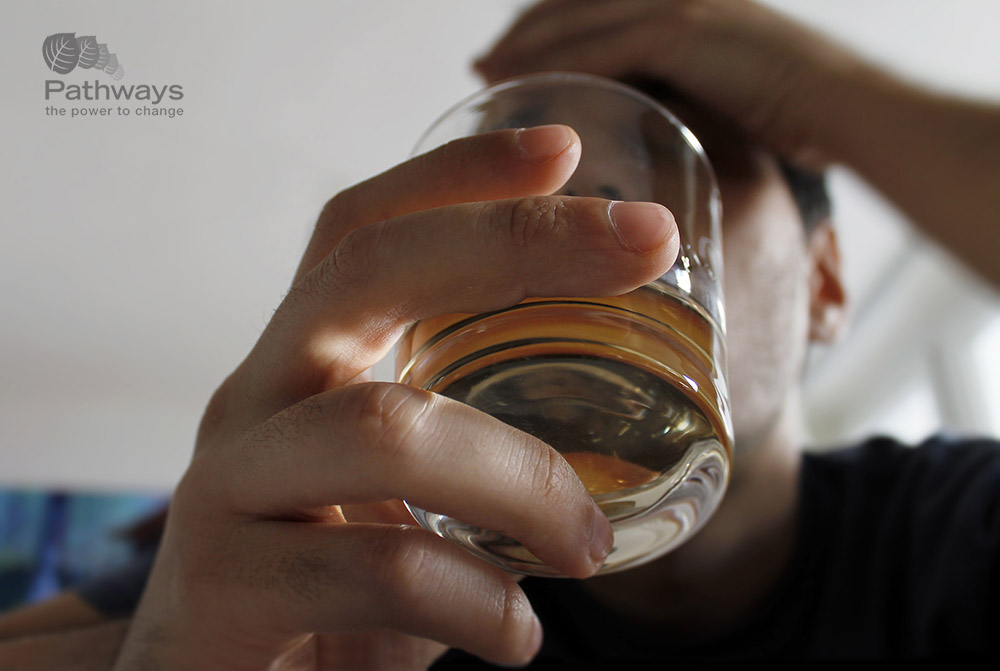
Substance and alcohol use disorder is a medical condition that can quickly wreak havoc on someone’s life. You may feel consumed by the addiction to the point where you’re only thinking about what your next drink will be. But the condition doesn’t manifest out of nowhere. A person is at risk for substance and alcohol use disorder based on prior experiences, mental health conditions, and even genetics.
The first step in recovery is acknowledging the problem. If you think that you or someone you love is a victim of substance and/or alcohol use disorder, speak up. Delaying treatment will only lead to worsening symptoms, making it even harder to navigate a recovery journey.
Getting help is more readily available thanks to telehealth medicine and counseling. A professional care team of medical doctors, therapists, counselors, and more will work with you to find a treatment path that works best for you. Counseling and therapy are typically the first steps, along with a rigorous detox protocol. Additionally, a medical professional may prescribe certain medications to assist in your recovery journey.
Below, a breakdown of Suboxone, Naltrexone, and Vivitrol, the most common medications for substance and alcohol abuse recovery.
Suboxone
Suboxone is a brand name of a prescription, opioid-based medication used to treat opioid addiction. It is a combination of two different drugs: buprenorphine and naloxone.
Buprenorphine is known to help reduce cravings and withdrawal symptoms by attaching to opioid receptors in the brain. Naloxone helps prevent misuse of the medication by blocking the effects of other opioids. The most common side effects are insomnia, constipation, nausea, sweating, headaches, and other withdrawal symptoms.
Suboxone is administered as either a dissolvable tablet placed under the tongue or as a dissolvable film strip placed under the tongue. It should be used in addition to counseling and therapy treatment to discourage the use of opioids.
Naltrexone
Naltrexone is an FDA-approved prescription alcohol recovery medication used alongside counseling and therapy to treat alcohol use disorder as well as opioid use disorder. It is considered an opioid antagonist and can be used to reverse an overdose by blocking the effects of the substance. This medication works by binding to opioid receptors in the brain. When this happens, cravings for alcohol are reduced. Naltrexone does not require abstinence from drinking; however, it can be used as part of a recovery program for alcohol abuse or addiction.
The oral medication should be taken once a day for a minimum of three months. The standard dose is one 50-milligram tablet a day. Your healthcare team may prescribe the drug for longer to help you achieve your recovery goals. The medication needs to be taken after the patient has stopped drinking. Naltrexone is sold under two brand names: ReVia and Depade.
It’s recommended that Naltrexone be used as part of a comprehensive treatment plan. The medication is not a cure for the addiction, which is why therapy and counseling are also necessary. Discuss any negative side effects with your doctor if you experience them as a result of the medication. Some patients may feel more depressed or anxious, while others may notice physical symptoms such as dizziness, joint pain, and/or skin rashes.
Vivitrol
Vivitrol is the extended-release injectable form of naltrexone. The injectable must be administered by a healthcare professional every four weeks, meaning the medication is steadily released over the course of the month. The patient will receive the injection in their buttocks muscle.
As an alcohol recovery medication, Vivitrol works in the same way as Naltrexone, preventing patients from experiencing the euphoric effects of either alcohol or opioid use. The medication should not be used if alcohol or opioids are in a person’s system. That’s why it is requested that a patient wait at least seven to 10 days after they’ve used short-acting opioids and at least 14 days after using long-acting opioids. Being on medication with opioids in the system will trigger withdrawal effects.
Side effects for Vivitrol may be more intense than its oral pill counterpart. Side effects may include nausea, joint pain, dizziness, muscle pain, and more. Because of this, many doctors will prescribe Naltrexone first before starting on Vivitrol.
While Vivitrol may be beneficial to those who can’t remember to take a daily pill, it comes with a higher price tag. Naltrexone is a more cost-effective solution, but again, it will only work if taken at the same time every day.
Final Considerations
Breaking the cycle of substance abuse disorder and alcoholism will take more work than a prescription medication. The purpose of these medications is to reduce the urge to drink or take drugs, breaking the cyclical high and low that comes with abusing these substances.
In combination with other treatments, such as one-on-one counseling or group therapy, Suboxone, Naltrexone, and Vivitrol may be helpful in your recovery journey. Speak with your healthcare professional about starting or adding one of these medications to your treatment plan. These professionals want to be on your team, assisting you in every way to ensure you meet your recovery goals and live the most fulfilling, healthy life possible.